2000+ promotional products.
One place. Unlimited branding possibilities.
Scale that powers your projects
A wider selection means greater flexibility for campaigns, events, and corporate orders.
2000+
promotional
products
products
dozens
of product
categories
categories
multiple
branding techniques on
a single product
a single product
1
consistent
ordering process
ordering process
View the full promotional products offer
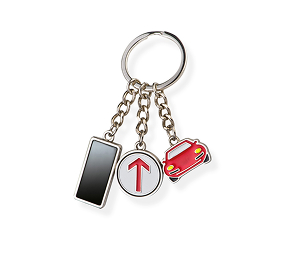
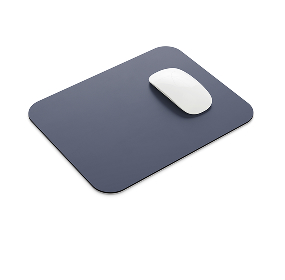
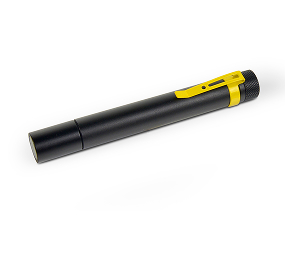
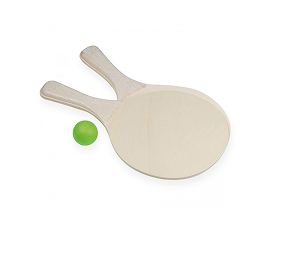

How to order – step by step
From selection
to order
in just a few steps
to order
in just a few steps
1
Choose
a product
a product
Find a product that fits
your occasion and budget.
your occasion and budget.
2
Choose
variants
variants
Color, branding method, quantity
– exactly as you need.
– exactly as you need.
3
Order a sample or
go straight to production
go straight to production
Test or produce — the choice is yours.
4
Finalize
your order
your order
One process, clear rules, fast delivery.
How do we brand promotional products?
Discover the branding techniques we offer
-
Pad Printing
-
"Pad printing is a branding method in which ink is transferred from a prepared printing plate onto the product using a flexible silicone pad. The pad picks up a small amount of ink with the design and accurately reproduces it on the surface of the item. Thanks to its flexibility, the pad adapts to the shape of the printed element, making it possible to print even on uneven or curved surfaces. This technique works well on many materials, such as plastics, metal, glass, and wood. Its precision allows both simple logos and more detailed graphic elements to be reproduced accurately. Pad printing is often chosen for medium and large production runs due to its ability to apply repeatable prints quickly and cost-effectively. The result is a durable, clear, and aesthetically pleasing print that adheres well to the surface and withstands everyday use."
-
-
Laser Engraving
-
Laser engraving is a branding method in which a computer-controlled concentrated beam of light is used to apply a design. The laser interacts with the material’s surface with high precision, removing a thin layer and creating a permanent recessed mark with very sharp edges. This process allows for both simple markings and highly detailed, intricate designs while maintaining full consistency across entire production runs. The technique works perfectly on materials such as metal, glass, wood, leather, and various plastics, creating aesthetically pleasing and abrasion-resistant branding. Laser engraving is known for its high precision and speed, making it suitable for both individual personalized items and larger production volumes where consistent quality is required. Thanks to its ability to reproduce extremely fine details and larger graphics, it is one of the most versatile and durable branding methods available.
-
-
Screen Printing
-
Screen printing is a printing method in which ink is transferred through a specially prepared mesh stencil with an exposed design. The mesh acts as a printing matrix: areas that allow ink to pass correspond to the graphic elements, while blocked areas prevent ink transfer. During printing, the ink is evenly spread across the screen using a squeegee and transferred onto the material, creating a vivid and saturated print. This technique works on many types of surfaces, including fabrics, knits, cotton, plastics, leather, and wood, making it one of the most popular branding methods in the advertising and textile industries. Thanks to the use of different types of inks — water-based, plastisol, solvent-based, or UV-cured — screen printing provides durable results resistant to moisture, sunlight, and everyday wear. The method is also appreciated for its color intensity, as the ink layer applied to the product is relatively thick, creating a vivid visual effect. Screen printing can be applied to both flat and slightly curved surfaces, making it extremely versatile. An additional advantage is its cost-effectiveness for both small and large production runs, which is why screen printing remains one of the most economical and universal branding methods.
-
-
Screen Printing on Textiles
-
Screen printing on textiles is a method of applying prints to clothing and cotton materials in which ink is transferred onto fabric through a specially prepared mesh stencil. The process is fully organized and allows for fast, repeatable multicolor printing, making it ideal for large batches of promotional clothing. This technique is commonly used on T-shirts, hoodies, fabric bags, and products made of cotton or knitted fabrics. Screen printing delivers vivid, deeply saturated colors. The print is resistant to washing, light exposure, moisture, and abrasion, ensuring long-lasting durability. When printing on darker fabrics, a white underbase layer is often used to ensure proper color reproduction, which may require separate pricing for more complex projects.
-
-
Thermal Transfer
-
Thermal transfer is a printing method in which a pre-prepared graphic is heat-pressed onto the surface of a product. First, the design is printed onto a special transfer material, and then transferred onto the product using a press that combines high temperature and strong pressure. During the process, the ink or color layer softens and permanently bonds with the substrate, creating a clear and aesthetically pleasing print. This technique is commonly used for branding clothing and textile accessories, but it also works well on certain plastics. Thermal transfer allows for the reproduction of multicolor graphics, including designs requiring high precision and sharp contours. This makes it suitable for both small personalized series and short production runs where repeatability and cost-efficiency are important. Prints made using this method are vivid and adhere well to the substrate, resulting in an attractive final product.
-
-
DTG Printing
-
DTG printing is a digital method of applying graphics directly onto fabric, in which special inks penetrate the material structure similarly to traditional inkjet printing. The process does not require screens or printing plates, so the design is transferred directly from a graphic file onto the garment. This allows for highly detailed prints with many colors, smooth tonal transitions, and fine elements that would be difficult to achieve with other techniques. Each piece can feature a different design, making DTG ideal for personalized and short-run production. The print is created by directly applying ink onto the fabric, resulting in a look similar to digitally printed images. The color system is based on CMYK, allowing for a wide color range, although it does not guarantee exact Pantone color reproduction. The technique works best on light-colored fabrics because no white underbase is used. DTG printing is fast to produce while enabling high-resolution designs, making it an attractive option for graphic T-shirts, artistic designs, and prints where detail and quality are essential.
-
-
DTF Printing
-
DTF printing is a graphic application technique in which the design is first created onspecial PET film and then is prepared for transfer onto fabric using adhesive powder. After curing the adhesive layer, the print is transferred onto the product using a heat press that combines high temperature and pressure which makes the design to permanently bond with the fabric. The result is a flexible, well-adhering print resistant to washing, abrasion, and external factors. This method allows for designs with a wide color range, tonal effects, and fine details. Because DTF does not require printing plates, it works well for both single orders and short production runs, enabling easy design modifications and fast preparation. This makes DTF a popular solution for branding clothing and accessories while combining durability with creative freedom.
-
-
Computer Embroidery
-
Computer embroidery is a modern form of traditional embroidery in which a design is reproduced on fabric using digitally controlled machines. The graphic design is converted into a program that determines the movement of the threads, allowing the pattern to be precisely stitched onto the selected fabric. This technique provides highly durable branding that retains its quality even after repeated washing and intensive use. Embroidered designs give products an elegant and distinctive appearance, while the texture of the embroidery creates a tactile and attractive three-dimensional effect. Computer embroidery enables large-scale production with full consistency and precision in every stitch. Thanks to the use of various thread types and a wide color range, this method is suitable for both simple logos and more complex decorative designs. It is one of the most durable and aesthetically refined branding methods used on textiles and fabric accessories.
-
-
UV Digital Printing
-
UV digital printing is a branding method in which graphics are applied directly onto the product’s surface using ink cured with ultraviolet light. The design is sent directly from a computer to the printing device, eliminating the need for printing plates and allowing production to begin quickly, even for single items. During the printing process, ink droplets are precisely applied to the material and almost instantly cured using UV lamps, making the print highly resistant to external factors. The final result features sharp details, accurate color reproduction, and a smooth, even surface, making it ideal for graphics with near-photographic quality. This technique is especially valued for its durability — the cured ink adheres well to the surface and offers excellent resistance to moisture, sunlight, and abrasion. UV printing works on a wide variety of materials, including plastics, glass, wood, and metal, making it one of the most versatile branding methods available. The non-contact nature of the process ensures an aesthetic result without the risk of damaging or deforming the product, while digital consistency guarantees that every item looks identical regardless of production volume. Thanks to these advantages, UV printing is widely used for promotional products, functional items, and products requiring high-quality graphics.
-
-
Ceramic Decal Printing
-
Ceramic decal printing is a decoration technique that involves transferring graphics onto ceramic surfaces using special inks cured at high temperatures. First, the design is placed onto a thin lacquer layer that allows the transfer to be applied, and then the prepared decal is manually positioned onto the selected product. After carefully fitting the decal to the shape of the ceramic item, the product is fired in a kiln at approximately 200°C, where the ink bonds with the glaze to create a durable and abrasion-resistant print. As a result, the design becomes an integral part of the surface rather than just a top layer, ensuring long-lasting color intensity and quality. This technique enables highly precise and multicolored decorations that look excellent on mugs, cups, plates, and other ceramic products. Because the application process is performed manually, the design can be adjusted to the specific shape of the product, offering extensive personalization possibilities.
-
-
Sublimation
-
Sublimation is a branding method in which dye is transferred from transfer paper directly into the structure of the material under high temperature. During the process, sublimation ink changes from a solid state into gas, bypassing the liquid phase, which allows it to penetrate deeply into polyester surfaces or special polyester coatings applied to products such as ceramic mugs. As a result, the print becomes an integral part of the product rather than a separate top layer, providing excellent resistance to abrasion and highly vivid colors. Sublimation allows for full-color graphics with fine details and smooth tonal transitions, making it ideal for promotional products, everyday items, and polyester textiles. Since the image is not limited by the surface texture, prints appear extremely sharp and often achieve near-photographic quality. The method is also practical for short and medium production runs because it does not require extensive preparation and allows fast production while maintaining consistency and high visual quality.
-
-
Doming
-
Doming is a product decoration technique that involves creating a raised sticker in which a colorful print is coated with a transparent resin layer. First, the graphic is prepared as a printed label, and then an even layer of transparent polyurethane resin is applied over it. After curing, the resin forms a smooth, slightly rounded surface that gives the print gloss, depth, and a three-dimensional appearance. The finished sticker is flexible and resistant to damage, and thanks to its adhesive backing, it can easily be applied to various products. Doming works particularly well on products that are difficult to brand directly, such as keychains, electronic accessories, and small utility items. The resin not only protects the print from scratches and moisture but also enhances color intensity and improves the overall appearance. Because labels can be cut into virtually any shape, doming offers extensive customization possibilities and adapts well to different types of promotional products.
-
-
Embossing
-
Embossing is a branding technique that involves pressing a prepared design into a selected material using a combination of heat and pressure. During the process, a die containing the graphic is pressed against the surface, permanently deforming the material structure and creating either a raised or recessed effect depending on the type of die used. Branding can be done in a blind version, where the design is created solely through pressure, or with foil stamping, where an additional metallic layer — usually gold or silver — gives the design a more decorative appearance. The embossing effect is elegant, refined, and highly visible, which makes this technique popular for notebooks, covers, cases, and accessories made from leather-like materials. The embossed areas are resistant to abrasion, ensuring that the branding retains its appearance even during intensive use. This method combines durability with premium finishing quality, offering a visual and tactile effect that stands out.
-
-
Labels and Tags
-
Labels and tags are a universal form of branding that involves attaching adhesive elements or printed cardboard tags to a product. Labels can contain logos, instructions, or full-color graphics prepared in advance. After printing and cutting into the desired shape, the label is attached directly to the product or its packaging, creating a durable and aesthetically pleasing form of branding. Tags work similarly, except that they are attached using strings or chains, or placed inside the packaging, meaning they do not interfere with the structure of the product itself. This method works especially well when direct branding is difficult or undesirable due to the product’s shape, material, or delicate surface. Labels can be produced in virtually any shape or size, making them suitable for a wide range of products — from promotional items to textiles and display products. They also allow for highly detailed graphics because the print is created on a flat surface, offering significant design flexibility. Thanks to these advantages, labels and tags provide a practical and adaptable solution whenever aesthetics, clear information, and personalization are important.
-